
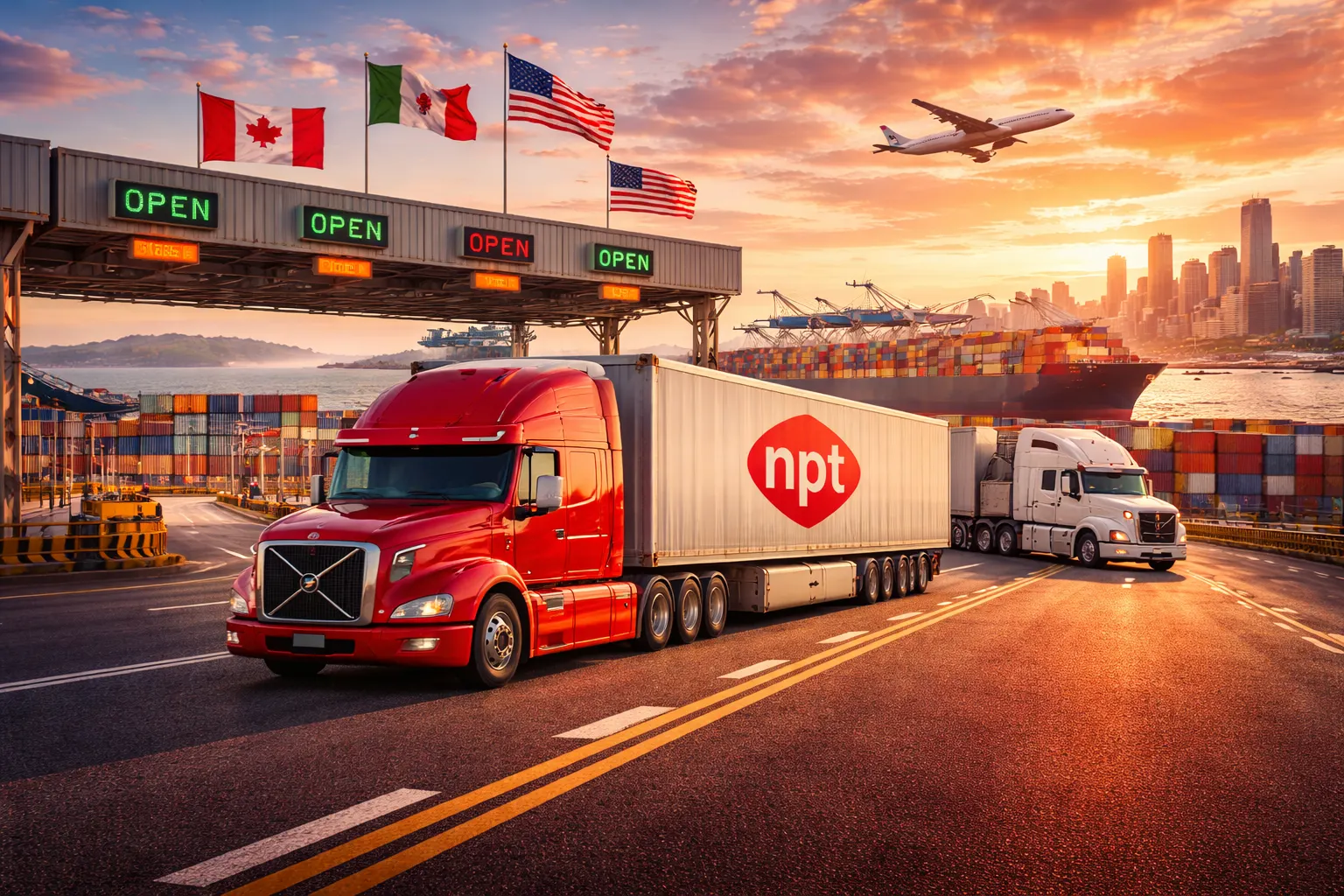
Cross-Border and Global Freight Built for Confident Execution.
NPT coordinates Canada-USA, Mexico cross-border, ocean, and air freight under one operating rhythm. From customs documentation to final delivery milestones, we keep teams aligned across every handoff.
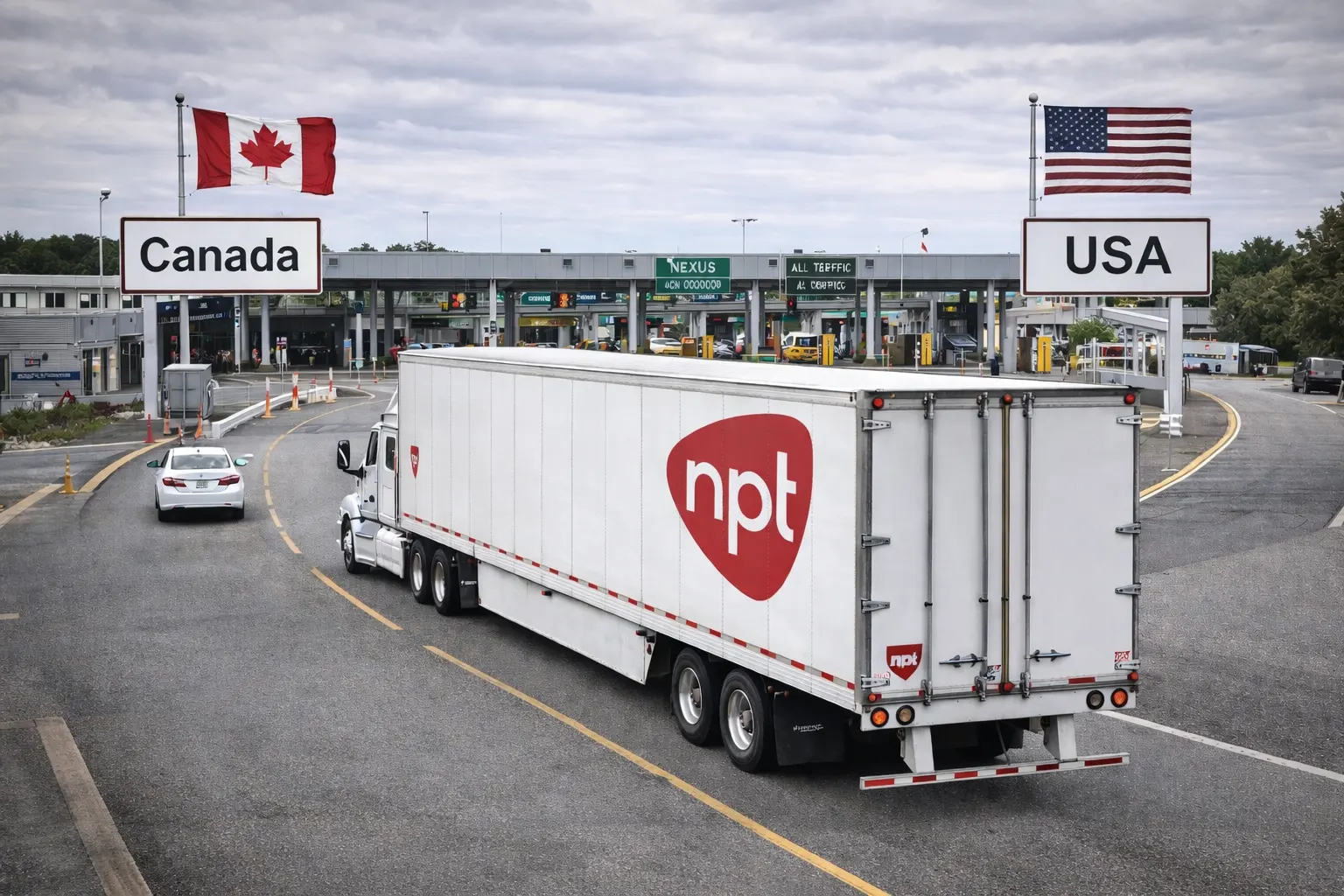
Canada ↔ USA Cross-Border | Customs-Aligned Freight Across Major Trade Lanes
Canada-USA freight requires disciplined documentation, broker coordination, and timing control at both origin and destination. Our cross-border process is built to reduce border friction while protecting delivery commitments across recurring and spot lanes.
Technical Specs
- Length
- Mode-dependent; truck or rail as lane requires
- Width
- Standard equipment dimensions; load and border requirements apply
- Height
- Per equipment type and route
- Max Freight Weight
- Legal and equipment limits; customs declaration aligned
- Pallet Capacity
- Varies by mode and equipment; standard when truckload
Border requirements and documentation depend on commodity, origin, and destination; confirm with our border team at quote.
Canada ↔ USA Cross-Border Freight Fit Guide
Canada-USA cross-border service is for freight moving between Canadian and U.S. facilities with customs and documentation control. This guide helps determine if this service is the right fit for your load—and what to use instead when it isn't.
Domestic-only lanes (US–US or Canada–Canada)
If your freight moves entirely within one country and does not cross the border, domestic truckload or LTL is typically more direct.
Mexico cross-border freight
If your lane involves Mexico–USA border crossing, our Mexico cross-border program is designed for that workflow.
International ocean moves
If your shipment is moving by ocean (FCL/LCL) rather than over-the-road cross-border.
International air or expedited
If your cargo requires air freight or expedited international movement rather than surface cross-border.
How to use this Service
Here's how to use NPT's Canada ↔ USA cross-border service from quote to delivery.
- Share importer/exporter details and customs broker contacts so we can align documentation and handoffs.
- Provide commodity profile, values, and commercial invoice requirements for customs readiness.
- Specify pickup and delivery appointment windows and facility rules so we can plan border timing.
- Give reference numbers, document return workflow, and POD expectations for clean closeout.
- Confirm exception and escalation preferences for holds, inspections, or timing changes so we can respond consistently.
- Include any carrier or lane preferences so we can match capacity to your compliance and service needs.
Operational Coverage & Service Standards
Canada-USA execution is structured to reduce friction at border handoffs.
- Cross-border lane planning with customs workflow alignment
- Milestone reporting from dispatch through delivery confirmation
- Exception escalation for holds, inspections, and timing changes
- Support for both spot shipments and repeat lane programs
Get pricing and capacity for this mode
Share your lane requirements and we will return a structured quote with equipment fit, timing expectations, and operating assumptions.
- Broker and documentation handoff alignment
- Border milestone updates tied to decision points
- Exception response for holds and inspection events
Program design priorities
Core decisions we align before launch to reduce border and handoff variance.
- Customs and broker touchpoints confirmed pre-pickup
- Border milestone ownership defined across teams
- Delivery commitments aligned to release-risk scenarios
We run Canada-USA freight as a coordinated process between operations and compliance so border events do not become service surprises.
- Customs-ready executionCommercial invoice, BOL, and broker handoff requirements are aligned before pickup.
- Lane-level milestone visibilityStatus updates follow operational decision points, not generic tracking noise.
- Controlled border handoffsDispatch, customs stakeholders, and consignee windows stay synchronized.
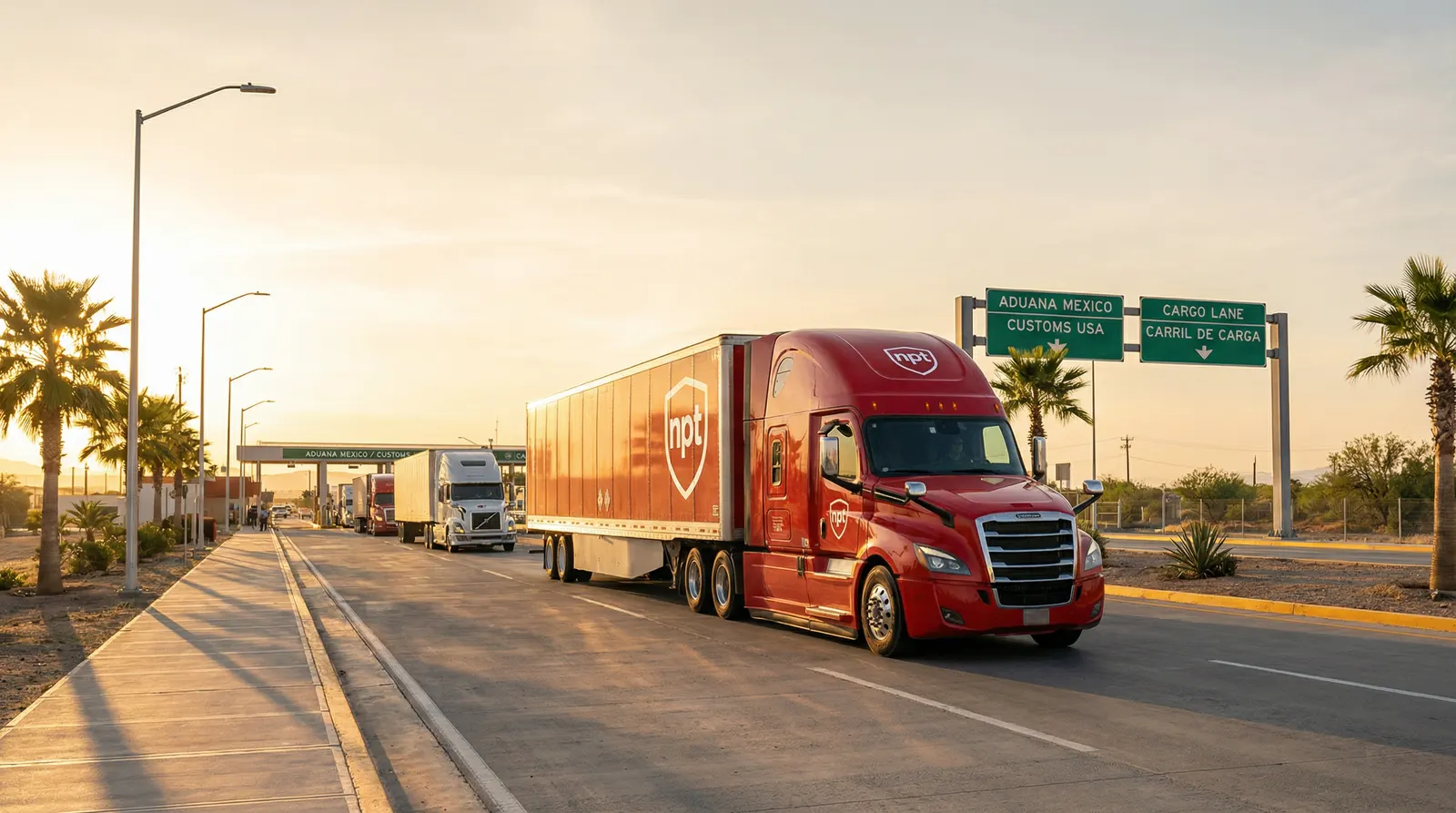
Mexico Cross-Border Logistics | Coordinated Northbound and Southbound Freight
Mexico cross-border freight depends on strong handoff design between drayage, transload, customs, and linehaul stakeholders. We engineer the workflow to protect cargo integrity, timing, and communication across each border transition.
Technical Specs
- Length
- Multi-leg moves; dray, transload, and linehaul segments
- Width
- Standard equipment dimensions; transfer-yard fit validated
- Height
- Per equipment and route; clearance checked at planning
- Max Freight Weight
- Legal and route limits across Mexico and U.S. segments
- Pallet Capacity
- Varies by equipment and transfer profile; typically truckload-based
Border workflow, routing, and documentation depend on corridor and stakeholders; confirm with our Mexico team at quote.
Mexico Cross-Border Freight Fit Guide
Mexico cross-border service is for freight moving between Mexico and the United States where drayage, transload, customs, and linehaul must operate as one flow. This guide helps determine if our Mexico program is the right fit for your load—and what to use instead when it isn't.
Domestic-only lanes within Mexico or the United States
If your freight stays within one country and does not cross the MX–US border, domestic truckload or LTL is typically more direct.
Canada–USA cross-border lanes
If your corridor is Canada–USA rather than Mexico–USA, our Canada ↔ USA program is designed for that flow.
Ocean-based international moves
If your freight is moving by ocean (FCL/LCL) with inland legs rather than primary Mexico–U.S. surface crossing.
Air or highly expedited international moves
If your shipment requires air freight or highly expedited international transit instead of surface cross-border.
How to use this Service
Here's how to use NPT's Mexico Cross-Border service from quote to delivery.
- Share shipper/consignee legal entities and customs participants so we can align roles and responsibilities.
- Provide commodity details, values, and required trade/commercial documents for customs readiness.
- Specify expected border crossing points, transfer yards, and timing constraints to engineer the workflow.
- Give communication protocol for border exceptions and release events so updates reach the right teams.
- Include reference numbers and document-return expectations for audit trail and billing.
- Confirm escalation paths for delays, inspections, or holds so we can respond consistently.
Operational Coverage & Service Standards
Our Mexico workflow is built for continuity across multiple handoff points.
- Northbound and southbound cross-border move coordination
- Customs and transfer milestone management
- Live exception handling for border release and delay scenarios
- Visibility practices aligned to shipper and consignee needs
Get pricing and capacity for this mode
Share your lane requirements and we will return a structured quote with equipment fit, timing expectations, and operating assumptions.
- Crossing-point and transfer workflow coordination
- Bilingual communication support across handoffs
- Escalation process for border release disruptions
Program design priorities
Core decisions we align before launch to reduce border and handoff variance.
- Crossing-point strategy matched to service requirements
- Transfer and yard handoffs mapped before dispatch
- Exception paths pre-aligned for release and inspection delays
Mexico freight performs best when customs process, transfer points, and timeline expectations are managed as one operating flow.
- Multi-party workflow controlCarrier, customs, and yard handoffs are coordinated with clear ownership.
- Documentation disciplineCritical shipment documents and references are validated before border movement.
- Operational exception responseHolds and delays are escalated early with practical recovery paths.
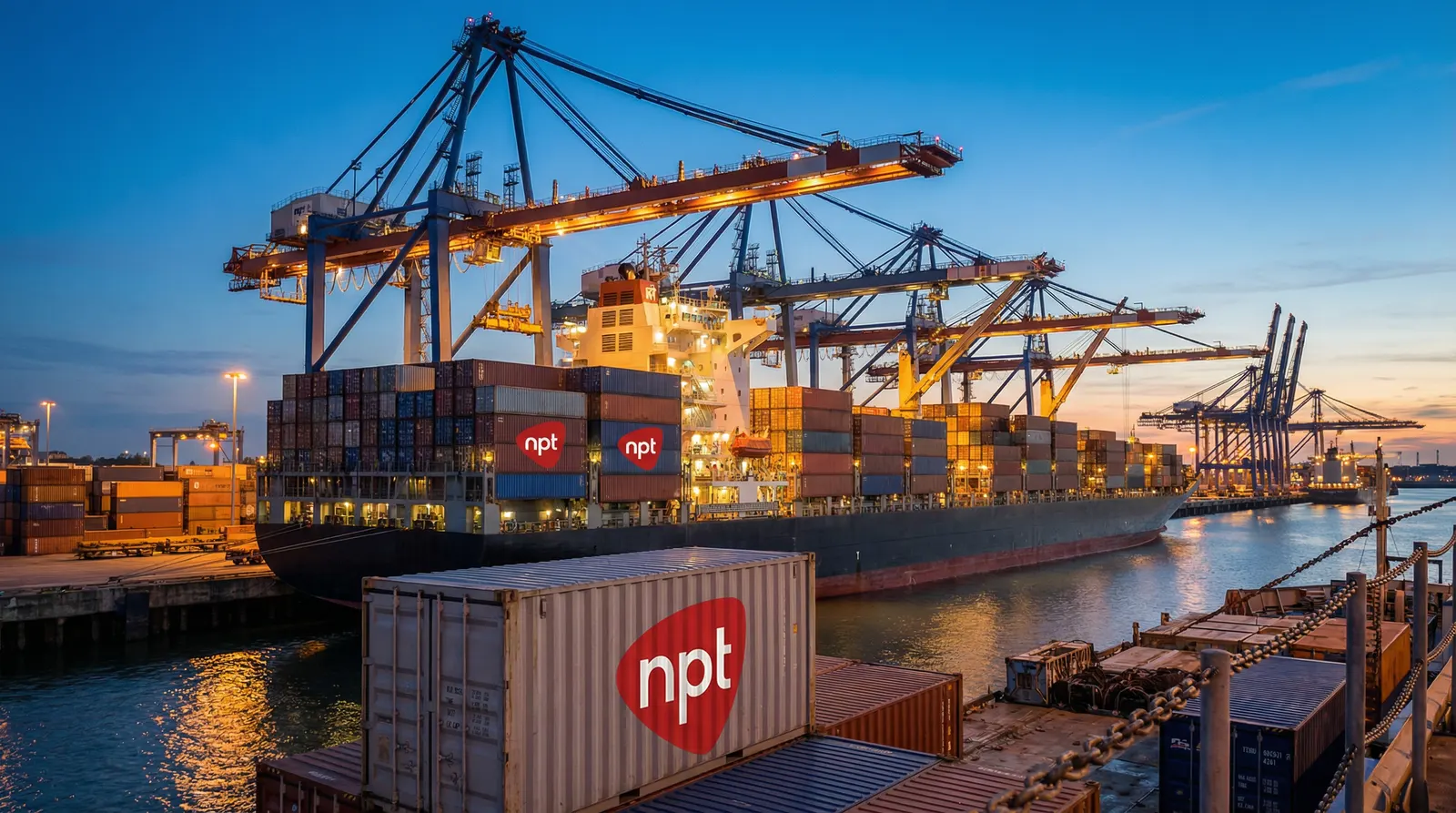
Ocean Freight | FCL and LCL Planning for Global Inbound and Outbound Programs
Ocean freight supports cost-effective international movement when planning discipline and schedule management are in place. We coordinate origin, booking, and destination milestones so shipments remain visible and controllable from vessel booking through inland delivery.
Technical Specs
- Length
- Container-based; 20 ft, 40 ft, 40 ft HC typical
- Width
- Standard container width (8 ft); dock- and yard-compatible
- Height
- Standard or high-cube clearance per container type
- Max Freight Weight
- Per container; vessel, terminal, and inland limits apply
- Pallet Capacity
- Typically 20–24 pallets in 40 ft, lane- and load-dependent
Ocean mode fit depends on lane, product profile, and transit expectations; confirm with our ocean team at quote.
Ocean Freight Fit Guide
Ocean freight is designed for international moves where cost efficiency and planned transit windows outweigh maximum speed. This guide helps determine if ocean is the right fit for your load—and what to use instead when it isn't.
Short-haul or time-critical lanes
If your lane requires fast transit or tight appointment windows, air freight or expedited surface is usually more appropriate.
North American surface-only moves
If your freight moves within North America without international ocean legs, truckload or cross-border programs are typically a better fit.
Very small parcel or sample shipments
If your cargo is parcel-sized or highly urgent samples, small-package or air solutions are generally more effective.
Temperature-critical or highly regulated cargo
If your cargo requires strict temperature control or complex compliance handling, specialized reefer or HAZMAT programs may be required.
How to use this Service
Here's how to use NPT's Ocean Freight service from quote to delivery.
- Share origin, destination, Incoterms, and cargo-ready dates so we can design realistic sailings and routing.
- Provide container profile, commodity details, and any special handling needs for booking and stowage planning.
- Specify required documents and customs/broker participants so we can align paperwork and handoffs.
- Give final delivery requirements, receiving windows, and inland constraints so port-to-door plans are accurate.
- Confirm visibility expectations and exception communication preferences for rollover, delays, or schedule changes.
- Include reference numbers and documentation expectations for end-to-end audit trail and billing.
Operational Coverage & Service Standards
Ocean freight capabilities are centered on controlled planning and handoffs.
- FCL and LCL planning with mode-fit guidance
- Milestone tracking across booking-to-delivery lifecycle
- Port coordination and inland handoff support
- Exception governance for rollover, delays, and schedule changes
Get pricing and capacity for this mode
Share your lane requirements and we will return a structured quote with equipment fit, timing expectations, and operating assumptions.
- FCL/LCL planning aligned to service objectives
- Booking-to-delivery milestone governance
- Exception workflow for rollover and schedule shifts
Program design priorities
Core decisions we align before launch to reduce border and handoff variance.
- FCL vs LCL decision tied to service and cost goals
- Port-to-door timeline aligned to inventory exposure
- Fallback pathways prepared for rollover and congestion
We emphasize booking discipline, milestone visibility, and destination handoff control so ocean freight supports forecast reliability.
- FCL and LCL strategy supportMode and consolidation decisions are aligned to service level and landed-cost goals.
- Port-to-door milestone controlExecution follows a clear cadence from booking, departure, arrival, and final delivery.
- Documentation and handoff alignmentCommercial and shipping documents are managed to reduce avoidable delays.
Air Freight | Priority International Cargo for Time-Critical Shipments
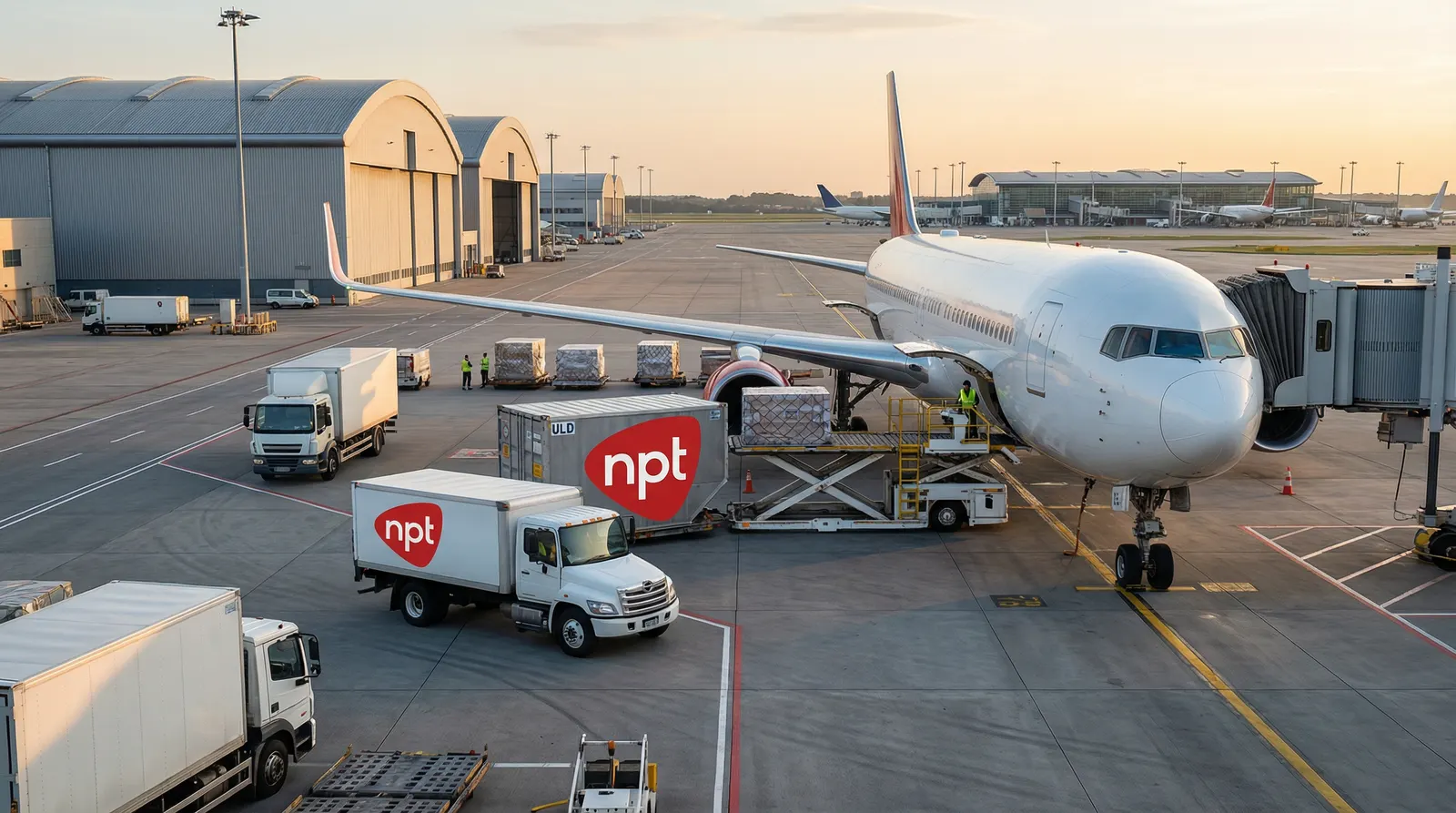
Air freight is designed for urgent replenishment, launch-critical freight, and high-value cargo where transit speed and schedule confidence are essential. We coordinate booking, documentation, and destination handoff to keep urgent supply chain decisions informed in real time.
Technical Specs
- Length
- Chargeable weight and volume; ULD or loose cargo as required
- Width
- Per piece and ULD; airline and handling limits apply
- Height
- Per piece; dimensional weight and handling considered
- Max Freight Weight
- Chargeable weight (gross or volumetric); carrier limits apply
- Pallet Capacity
- Varies; often palletized or unitized for handling and security
Air feasibility depends on lane, weight, and carrier capacity; confirm with our air team at quote.
Air Freight Fit Guide
Air freight is for urgent international cargo where transit speed and schedule confidence outweigh cost. This guide helps determine if air is the right fit for your load—and what to use instead when it isn't.
Cost-sensitive or planned international moves
If your shipment can meet longer transit windows and landed cost is a priority, ocean freight is typically more economical.
North American domestic or surface cross-border
If your freight moves within North America or Canada–USA/Mexico surface lanes without international air legs, truckload or cross-border programs are usually a better fit.
Non-urgent or high-volume international
If timing is flexible and volume supports containerized movement, ocean may offer better value.
Temperature-critical or regulated hazardous cargo
If your cargo requires controlled temperature or HAZMAT handling, specialized programs may be required in addition to or instead of standard air.
How to use this Service
Here's how to use NPT's Air Freight service from quote to delivery.
- Share ready date, required delivery date, and urgency rationale so we can confirm feasibility and routing.
- Provide commodity details, dimensions, and total chargeable weight for booking and capacity fit.
- Specify origin and destination handling constraints and contact workflow so we can align handoffs.
- Give documentation and customs release requirements for smooth clearance and delivery.
- Confirm milestone and exception communication preferences so critical updates reach the right teams.
- Include reference numbers and proof-of-delivery expectations for audit trail and billing.
Operational Coverage & Service Standards
Air capabilities are designed for speed with operational control.
- Priority international cargo coordination
- Milestone visibility from booking through final handoff
- Exception escalation for delays and capacity shifts
- Integration with truck or ocean workflows when needed
Get pricing and capacity for this mode
Share your lane requirements and we will return a structured quote with equipment fit, timing expectations, and operating assumptions.
- Priority booking guidance for urgent demand
- Fast status cadence across critical milestones
- Recovery planning for time-sensitive disruptions
Program design priorities
Core decisions we align before launch to reduce border and handoff variance.
- Urgency validated against landed-cost impact
- Critical milestones tied to downstream operations
- Recovery mode defined before first exception event
Air freight execution focuses on clarity, speed, and exception response so urgent shipments remain actionable for stakeholders.
- Urgency-first mode planningAir solutions are selected around required delivery outcome and risk tolerance.
- Tight milestone communicationCritical updates are delivered fast so teams can adjust downstream operations.
- Global handoff coordinationOrigin, air movement, and destination release are managed as one flow.

Talk to our experts and choose the right cross-border or global mode.
Get guidance on customs workflow, urgency, and landed-cost priorities for your next move.