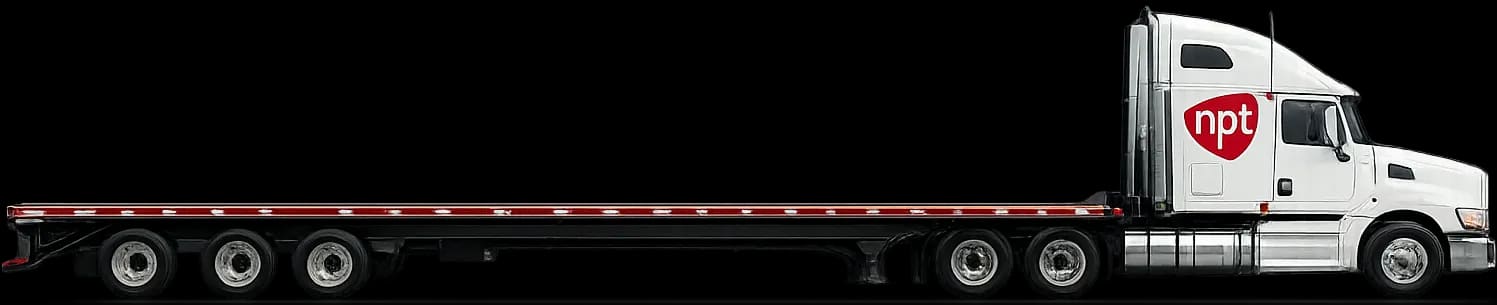
Securement and Distribution Engineered to Load
Equipment selection, axle distribution, and securement approach are matched to commodity profile before pickup to reduce in-transit risk.
Industry Logistics Programs
Heavy-freight control.
Metal coils, plate, and high-density freight executed with engineered load planning, compliance-rigorous routing, and accountable operating control from origin handoff through delivery.
Steel and aluminum freight is governed by load physics, route constraints, and securement discipline. Misalignment in any of those areas increases exposure to damage, delay, and compliance failure. Execution here is centered on engineered load control, route readiness, and traceable ownership.
Equipment selection, axle distribution, and securement approach are matched to commodity profile before pickup to reduce in-transit risk.
Weight, dimension, and routing requirements are confirmed up front, with documentation maintained for site, safety, and audit expectations.
One accountable operations lead manages milestone updates, exception handling, and shipment documentation from origin handoff to final receipt.
Adjust weight and center of gravity to evaluate axle pressure distribution and stability.
35 tons
Center-of-gravity shift redistributes axle load; balanced placement improves stability under heavy weight.
For high-density metal freight, load distribution and center-of-gravity discipline determine axle pressure and stability. This model surfaces imbalance risk before movement.
Balanced load physics. Compliance discipline. Controlled delivery.
Building on these heavy-freight priorities, we support metal programs with engineered load control, compliance-rigorous routing, and execution accountability from mill handoff through delivery.
Plan with us
Move plans are built around weight profile, securement requirements, and destination handling constraints.
Each shipment is pre-structured for equipment fit, route feasibility, and risk controls tailored to metal cargo characteristics.
Execute it
Dispatch and handoffs are managed with the precision required for dense, high-consequence metal loads.
Operational control prioritizes secure loading, balanced distribution, and compliance integrity through final delivery.
Monitor in real time
Status, timing, and exception handling are reported at each milestone in a consistent operating format.
Communication cadence is designed to support mill, warehouse, and project coordination without uncertainty.
Strengthen resilience
When lane constraints emerge, alternate routing and escalation controls are activated to preserve delivery commitments.
Recovery decisions remain anchored to safety, compliance, and arrival certainty across heavy-freight programs.
Steel and aluminum shippers evaluate partners by risk control discipline, route compliance rigor, and visibility through heavy-load constraints.
Insurance Coverage
Regulatory Compliance
Shipment Visibility
Typical market: Coverage checks are often generic and not always aligned to high-density load risk profile.
NPT: Coverage and liability posture are validated against lane constraints and cargo behavior before dispatch.
Evidence: Load-risk and coverage assessment attached to execution release checklist.
Typical market: Compliance can be treated as separate paperwork instead of a live execution control.
NPT: Route, dimension, and regulatory controls are embedded in planning and in-transit governance.
Evidence: Route-compliance checkpoint trail stored with shipment records.
Typical market: Heavy-load visibility is often event-only with limited context for corrective decisions.
NPT: Milestone reporting includes variance context and owner-led recovery actions.
Evidence: Checkpoint exception log with timestamped correction path.
Evidence files and operating-control examples are available during heavy-freight program onboarding.
Talk to our team about your coils, plate, and heavy loads. We'll outline how we deliver the right equipment and accountable execution.
Step 01
We assess weight profile, securement requirements, and compliance constraints by lane.
Step 02
We define handling standards, milestone reporting, and exception ownership.
Step 03
Operations begin with disciplined control loops focused on stability and arrival certainty.
Program readiness
Prefer a quick call? Our team can align on your lanes and timing.