Inbound Rhythm You Can Plan Around
Shipments are managed to milestone checkpoints with proactive status communication so planning, receiving, and production teams can operate from the same timeline.
Industry Logistics Programs
Throughput stability.
Raw materials and production-critical freight executed with lane discipline, handling controls, and exception ownership that help keep manufacturing flow stable and predictable.
Manufacturing performance depends on inbound rhythm, not last-minute firefighting. Late or compromised materials create downstream pressure across labor, equipment, and customer delivery commitments. This model prioritizes lane stability, controlled exception response, and handling standards that protect throughput.
Shipments are managed to milestone checkpoints with proactive status communication so planning, receiving, and production teams can operate from the same timeline.
When disruptions occur, response ownership is immediate: root cause, revised execution path, and documented updates are communicated through resolution.
Equipment and securement are matched to commodity profile and handling sensitivity, with documentation quality that supports operational and audit requirements.
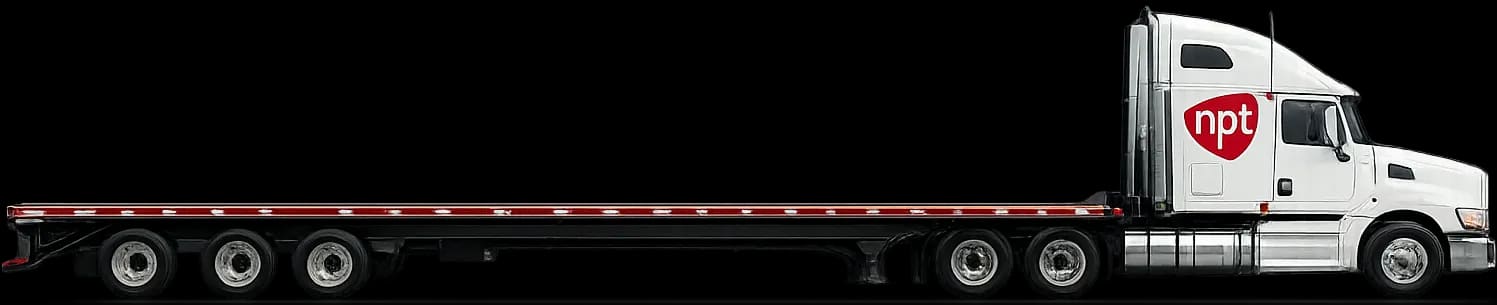
Adjust material density and shipment type to evaluate utilization, stress load, and operating posture.
Full trailer, clean fill
FTL typically improves cube use; mixed LTL profiles introduce natural gaps and stress variance.
Utilization is not a volume metric alone. Density, shipment structure, and stress tolerance determine safe efficiency. This model helps teams evaluate loading posture before dispatch.
Engineered utilization. Controlled stress. Documented execution.
Building on these throughput priorities, we support manufacturing operations with a control-first model focused on inbound rhythm, handling discipline, exception ownership, and execution transparency.
Plan with us
Transport plans are aligned to production cadence, receiving constraints, and material criticality.
Lane playbooks define appointment strategy, sequencing priorities, and escalation paths so movement supports floor stability.
Execute it
Equipment and securement protocols are mapped to commodity profile and handling sensitivity.
From palletized inputs to dense raw material, each movement is executed to preserve cargo condition and receiving readiness.
Monitor in real time
Milestone and exception reporting is structured for planning, receiving, and plant coordination decisions.
Updates include execution status, exception cause, and corrective path so stakeholders can adjust proactively rather than react late.
Strengthen resilience
When lanes deviate, documented recovery paths are activated to maintain inbound continuity.
Escalation ownership remains explicit through resolution, reducing cascading disruption across production and fulfillment timelines.
Manufacturing buyers benchmark partners on risk coverage, process compliance, and operational visibility under schedule pressure.
Insurance Coverage
Regulatory Compliance
Shipment Visibility
Typical market: Insurance is often validated once, with limited linkage to commodity-specific risk.
NPT: Coverage verification is tied to lane and material profile before dispatch authorization.
Evidence: Pre-dispatch risk and insurance check attached to lane execution brief.
Typical market: Compliance is frequently handled as a separate audit track from daily operations.
NPT: Compliance controls are embedded in dispatch, handoff, and exception closure workflow.
Evidence: Shipment closeout includes compliance checkpoints and owner signoff.
Typical market: Visibility tends to be reactive when receiving windows are already at risk.
NPT: Milestone cadence and exception alerts are structured for production-facing decisions.
Evidence: Timestamped milestone and recovery log retained per load.
Operational artifacts and document samples are shared during onboarding and lane design review.
Talk to our team about your raw materials, components, and production-critical moves. We'll outline how we deliver consistency and visibility.
Step 01
We document lane criticality, receiving constraints, and production dependencies.
Step 02
We define handling standards, milestone governance, and escalation rules by lane.
Step 03
Operations start with active oversight and structured cadence optimization.
Program readiness
Prefer a quick call? Our team can align on your lanes and timing.